
Gum Disease Treatment
Deep cleanings and periodontal care that stop bleeding gums and protect the bone under your smile.
Do your gums bleed when you brush or floss? That is usually the first sign of gum disease, a bacterial infection that starts quietly at the gumline and, left alone, can erode the bone holding your teeth in place. Caught early it is very treatable, and we handle every stage of it in our Sunset Plaza office.
Periodontal disease is an infection of the gums and the bone that supports your teeth. It begins with plaque, a sticky film of bacteria that collects along and below the gumline. When plaque is not removed it hardens into tartar, which brushing and flossing cannot lift, and the bacteria trapped underneath keep the tissue inflamed.
The early stage is called gingivitis. Gums look red or puffy, bleed when you brush, and breath turns stale, but the bone is still intact and at this stage it’s usually reversible. Left untreated, the inflammation works deeper and becomes periodontitis. Pockets form between gum and tooth, the gumline recedes, supporting bone is lost, and teeth can loosen or shift. Bone that is already gone doesn’t rebuild on its own, which is why the timing of treatment matters so much.
Gum disease also does not stay in the mouth. Chronic periodontal inflammation is associated with heart disease, blood sugar that is harder to control, and complications during pregnancy, so treating the infection is part of looking after the rest of your health, not only your smile.
Because our practice is multi-specialty, periodontal care happens here rather than being referred across town. Dr. Poneh Ghasri, DDS, and our team handle the measuring, the deep cleaning, and the follow-up under one roof, and patients are treated in English and Farsi. Most major PPO plans are accepted, and CareCredit financing is available for larger treatment plans.
Why periodontal maintenance is different
Once pockets have formed, the usual six-month cleaning schedule is often not enough. Bacteria repopulate those spaces within a few months, so most patients treated for periodontitis move to a three or four month interval, and the appointment itself works below the gumline rather than only polishing above it.
At each maintenance visit we re-measure pocket depth and note any bleeding points, which tells us whether the tissue is holding steady or an area needs attention again. That running record is what lets us catch a change early instead of finding it years later on an X-ray.
The treatment journey
- 1
Periodontal evaluation
We measure pocket depth around every tooth, chart recession and bleeding points, and review X-rays to check the supporting bone.
- 2
Scaling & root planing
A deep cleaning clears tartar and bacteria from below the gumline and smooths the root surfaces so the tissue has a clean surface to heal against.
- 3
Further treatment if needed
Deeper pockets or bone loss may call for localized antibiotics, additional therapy, or periodontal surgery, all handled in-office.
- 4
Periodontal maintenance
Most patients move to cleanings every three to four months, with the interval adjusted as we recheck your measurements over time.
Gum Disease Treatment questions, answered
What patients ask us most before booking gum disease treatment at our Sunset Plaza office.
Why do my gums bleed when I brush?
Bleeding gums are usually the first sign of gum disease. Plaque bacteria collect at the gumline and inflame the tissue, so it bleeds at the lightest touch. At the gingivitis stage the bone is still intact and the inflammation often settles with professional cleaning and better home care. Bleeding that keeps coming back deserves an exam rather than a wait.
What is a deep cleaning, and how is it different from a regular cleaning?
A deep cleaning, or scaling and root planing, reaches below the gumline, while a routine cleaning works mainly above it. We remove hardened tartar from the root surfaces inside the pockets that have formed between gum and tooth, then smooth those surfaces. It is usually done with local anesthesia and often split across two visits by area of the mouth.
How many visits does scaling and root planing take?
Most patients need two visits, one for each side of the mouth, with about an hour set aside for each. We numb the area first, so you should be comfortable throughout. After that we recheck your gums roughly six to eight weeks later to measure how the tissue responded, then set your maintenance interval from there.
How much does a deep cleaning cost with insurance?
Your share depends on how many areas of the mouth need treatment, how deep the pockets have become, whether antibiotics or further therapy are part of the plan, and the terms of your PPO. Many plans cover periodontal treatment on different terms than routine cleanings. We verify your benefits and hand you a written estimate before we begin. Call (310) 855-2434 and we will check your plan.
Can receding gums grow back?
Gum tissue that has already receded does not grow back on its own. Treatment focuses on stopping the infection that caused the recession so the remaining tissue and bone are protected, and grafting can cover exposed roots in some cases. What suits your mouth depends on how much tissue is left, which the measurements we take in our West Hollywood office will show.
Book gum disease treatment with us
Tell us a little about what you're looking for. We respond within one business day.
Related services
All services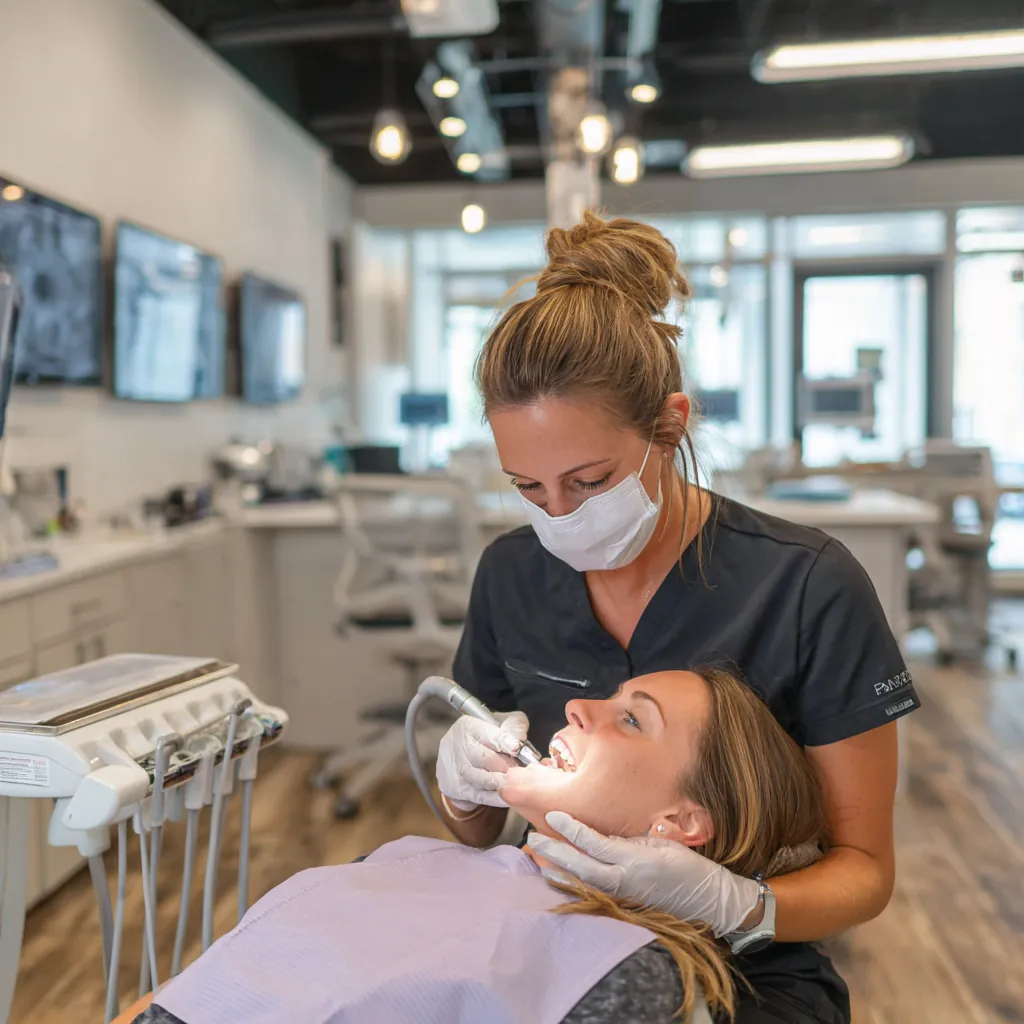
Cleaning & Exam
Gentle, professional cleanings and comprehensive exams to keep your smile healthy for the long run.
Learn More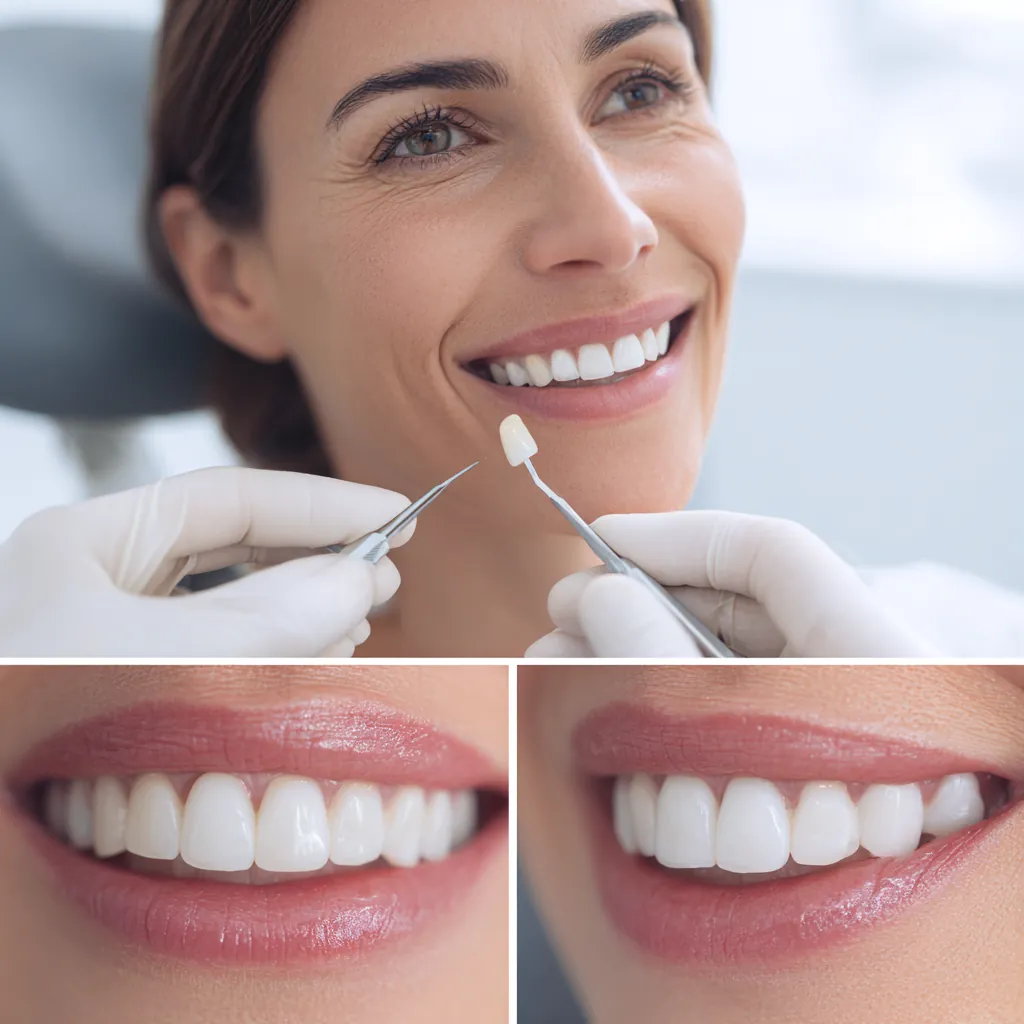
Cosmetic Dentistry
Modern, durable techniques that transform discolored, chipped, or uneven teeth into a confident smile.
Learn More
Dental Emergency
Urgent care for severe pain, infections, and trauma, with fast appointments and a calm, expert team.
Learn More